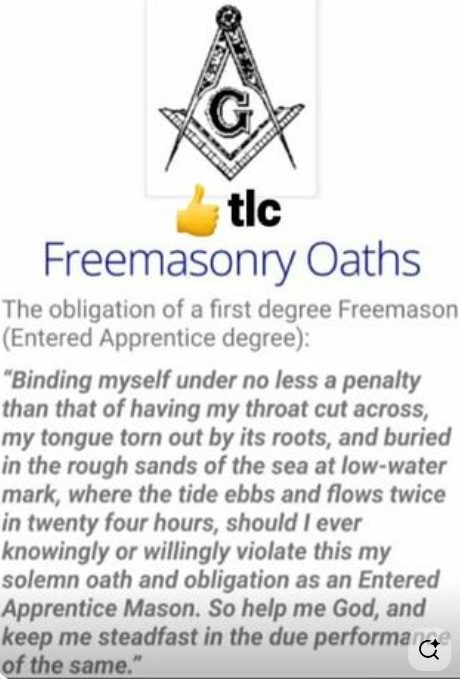

The Freemason Obligation Explained
Freemasonry does not have a single, universal “oath” that applies to all lodges worldwide. Ritual wording varies depending on the Grand Lodge and the degree. What is often referred to as an “oath” is more accurately a solemn obligation — a pledge binding a candidate to the fraternity’s duties, ethical standards, and traditions.
Purpose and Meaning
- Affirms dedication to moral conduct, charity, truth, and loyalty to fellow Freemasons.
- Stresses confidentiality regarding ritual signs, grips, passwords, and teachings.
Common Themes in Obligations
- Commitment to safeguard Masonic secrets and modes of recognition.
- Promise to follow lodge bylaws and lawful instructions, within the bounds of conscience and civil law.
- Duty to assist a brother in need, consistent with moral and legal responsibility.
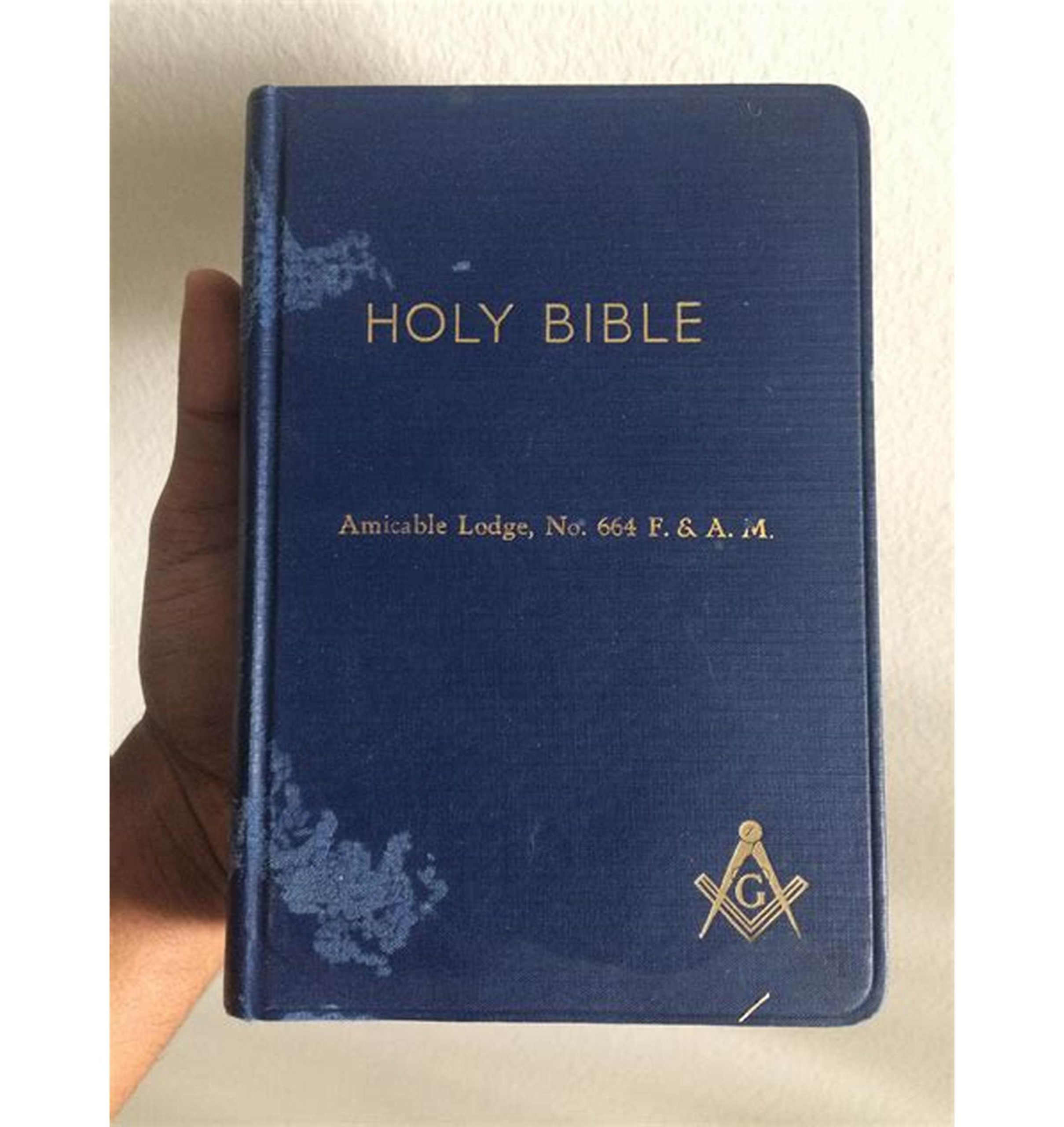
- Swearing upon a sacred text (Volume of the Sacred Law) chosen according to the candidate’s faith.
- Acceptance of personal accountability for one’s actions and the consequences of breaking the pledge.
Ritual Form and Solemnity
- Obligations are taken on the Volume of the Sacred Law (Bible, Qur’an, Torah, Gita, etc.).
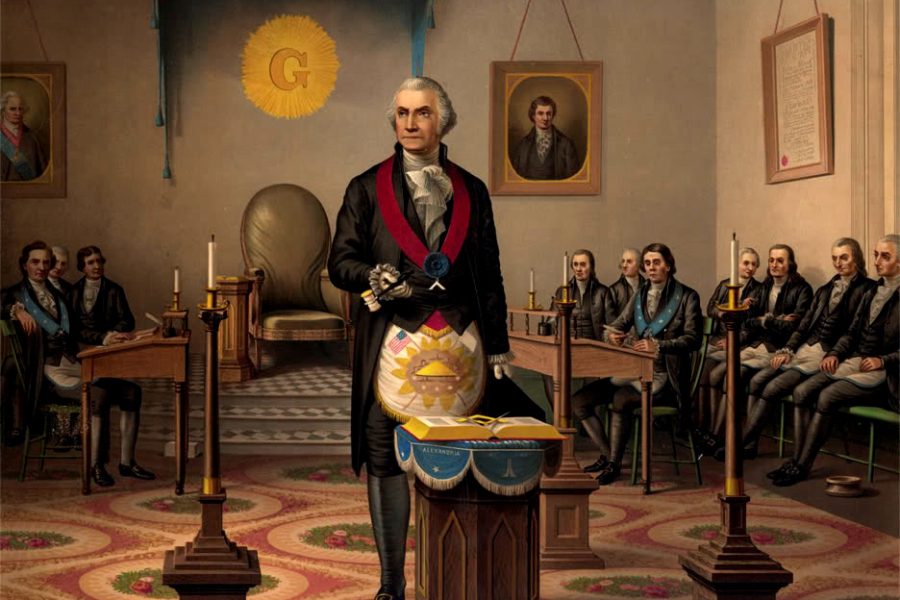
- Delivered aloud, often with symbolic gestures and ritual posture.
- Many jurisdictions clarify that obligations cannot override civil law, conscience, or duties to family, religion, or country.
Variations and Modern Adaptations
- Some Grand Lodges have revised wording to remove or soften historical references to penalties.
- Certain jurisdictions publish obligations openly, while others keep them private.
- Liberal or continental Masonic bodies may use different language and omit religious references.
Addressing Misconceptions
- The obligation is not a secret pact to break laws; mainstream Freemasonry emphasizes loyalty to law, conscience, and country.
- References to penalties in older rituals are symbolic, intended as emphatic moral warnings rather than literal threats.
For Complete Membership, Go ahead a Fill The Membership Form.